What It Signals for Civil Engineering in Australia
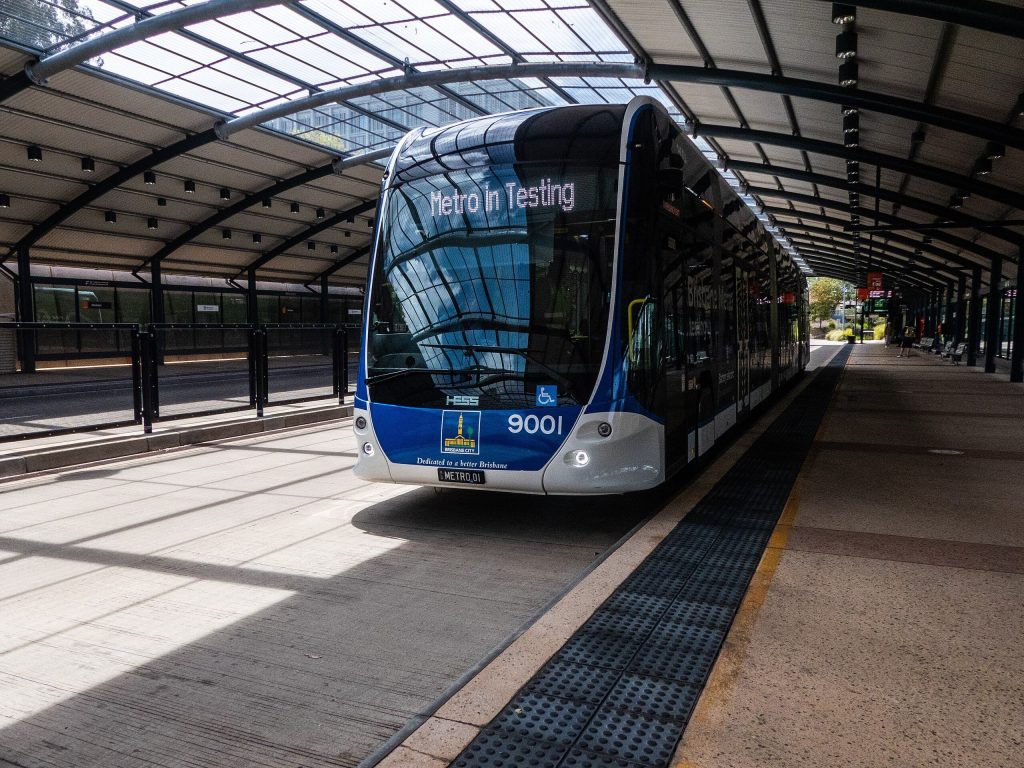
Brisbane’s newly opened 213-metre Adelaide Street transport tunnel is the culmination of years of planning, funding, and technical challenge. But beyond its immediate function, routing up to 1,400 daily bus and metro services to ease CBD congestion, it’s a bellwether for how cities and engineering firms will work in the decade ahead.
A Strategic Move, Not Just a Tunnel
This tunnel is a critical final piece in Brisbane’s Metro scheme, linking the Inner Northern and Southeastern busways through North Quay and King George Square. As the inner city faces increasing density and climate risks, it offers both redundancy (for disruptions) and capacity. Upgrades to adjacent stations, UQ Lakes, Cultural Centre, King George Square, help future-proof the broader network.
For civic planners and infrastructure clients, the Adelaide Street tunnel is a transport infrastructure and an investment in urban liveability, system resilience, and adaptability.
What It Demands from Engineering Teams
Tunnels aren’t new, but doing them in an active, congested CBD with tight site constraints is.
Key demands include:
- Interface coordination: integrating station works, utilities, and busway connections
- Phasing and staging: keeping surface transport functioning during works
- Urban design sensitivity: portal locations, station entries, public realm integration
- Systems integration: signalling, ventilation, safety systems must all interlock smoothly
For engineering consultancies, these projects test not just technical skill, but stakeholder management, risk modelling, and practicality of execution under pressure.
Broader Implications for Australian Infrastructure
The Adelaide Street tunnel is one among a growing cohort of underground and metro-scale projects across Australia, from Sydney Metro lines to urban rail in growing precincts. As the urban footprint becomes denser, surface corridors shrink, and resilience becomes non-negotiable, tunnelling and subsurface infrastructure will no longer be “nice to have”, they’ll be essential.
This shift raises expectations: firms will need to blend structural, geotechnical, civil, systems, and architectural thinking more tightly than ever. Project teams must be nimble, cross-disciplinary, and prepared to adapt.
What CJC Brings to the Table
At CJC, we engage with complex urban infrastructure projects by marrying technical discipline with community-first design. Our experience in managing interfaces, delivery certainty, and governance, gives clients confidence when tackling projects that demand more than simply engineering. As cities like Brisbane lean into metro expansion, firms that deliver both rigour and flexibility will lead the pack.